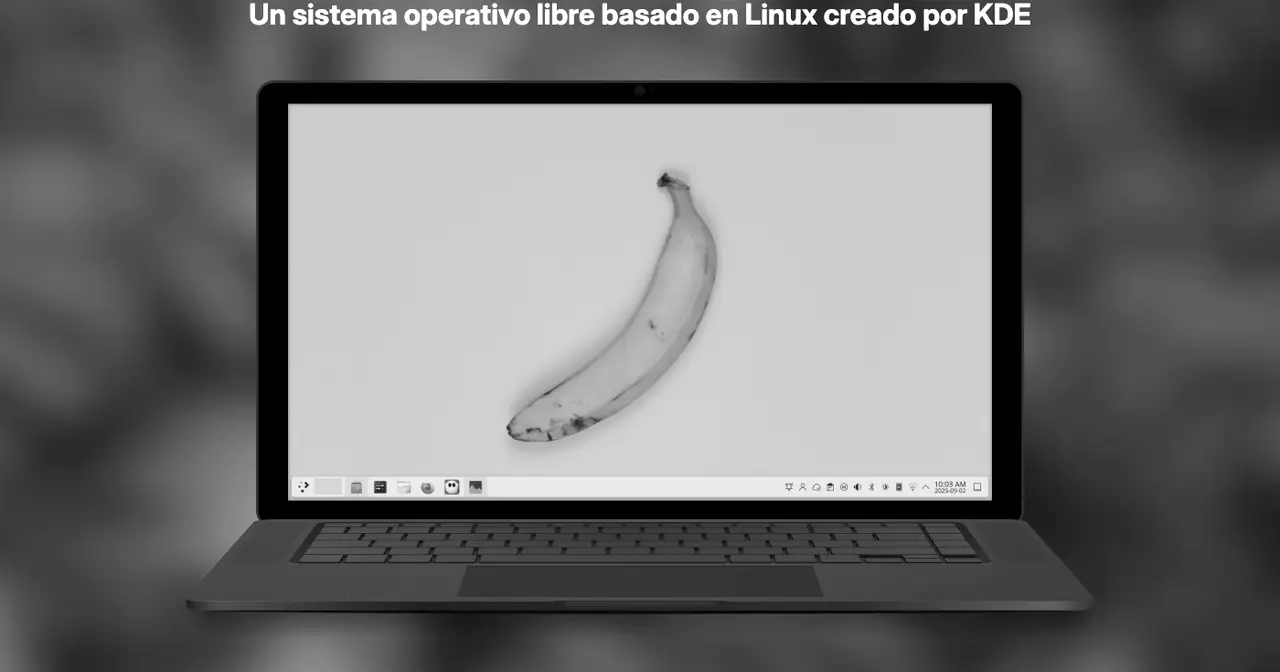
KDE Linux, the operating system the KDE community is building for itself, has been loading the ntsync kernel module by default since October, with nothing for the user to set up. Nate Graham mentioned it on 1 November 2026 in the project’s monthly round-up, October 2026 in KDE Linux, which also repeats the figure the team uses to track progress: they’re 85% of the way to beta.
What NTSYNC is and why gamers care
Windows has its own synchronisation primitives (mutexes, semaphores, events), and the way it waits on several of them at once doesn’t map neatly onto anything Linux offers. Wine, and therefore Proton, had to fake them on top of other mechanisms, which costs performance, especially in heavily threaded games. NTSYNC is a kernel driver that exposes a /dev/ntsync device and models those primitives directly, so Wine spends far less time emulating them.
An early version of the driver went into Linux 6.10, but the complete driver landed in mainline with Linux 6.14, released in March 2025. The code has been there ever since; what a distro has to do is load the module. That’s the change in KDE Linux: merge request !650 from Tabitha Moon, merged on 4 October, adds a modules-load.d file so it loads on every boot. The description notes that other distros such as Fedora already do this (Fedora started with Fedora 44) and that the Steam Flatpak picks it up without any extra permission override. It was also their first contribution to a major open source project.
For more background on gaming, see our look at Linux gaming with the Steam Deck and Proton.
The rest of October: plumbing
Most of the month went on infrastructure. Bhushan Shah, Sky Poincet, Harald Sitter and Ben Cooksley moved image storage and the update system over to KDE’s new S3-based file server, and moved the openQA automated testing to a dedicated KDE machine (until now it ran on Sitter’s personal server). If an update fails with a “Protocol error”, the docs have recovery steps: on builds older than 26 October you briefly switch off delta updates and run updatectl update by hand.
Smaller changes include a slideshow in the installer, a fix for garbled text in the keyboard layout indicator on the disk encryption unlock screen, Info Center showing the active edition (for example “testing”), and wayland-protocols in the base image so some KDE projects compile out of the box.
How KDE Linux works
It’s an image-based system. /usr ships as a read-only EROFS image alongside its unified kernel image (UKI), and updating means downloading the next pair with systemd-sysupdate (updatectl update in a terminal, or Discover on the desktop). Three or four versions are kept on disk, so if a new one misbehaves you can boot the previous one from the systemd-boot menu. The root filesystem and /home are Btrfs with snapshots, and apps come from Flathub. There’s no command-line package manager.
The base is assembled with mkosi from Arch Linux packages, though the project is keen to point out that it shouldn’t be called an “Arch-based distro”: it doesn’t even ship pacman. Plasma and KDE apps are built from Git master with kde-builder. In September the team said it is trialling a replacement for the Arch packages, built in-house with BuildStream on top of the freedesktop Flatpak SDK, the same route GNOME OS takes, and that a decision is close.
The requirements are short but firm: an x86-64 PC with an AMD or Intel CPU and UEFI firmware, 2 GB of RAM, 50 GB of storage, a whole disk to itself and Secure Boot turned off, as it isn’t supported yet. ARM is out for now, and NVIDIA cards older than the Turing series need manual setup.
Alpha, beta and who it’s for
The roadmap has three milestones. The alpha (the Testing edition) was completed on 6 September 2025. The beta, now in progress, will bring the Enthusiast and Stable editions. A public release aimed at hardware makers and large organisations comes after that. There’s no date for the beta: the milestone collects the outstanding work items on invent.kde.org (36 open and 194 closed when we checked today), and both the September and October posts gave the same 85% figure.
Right now only the Testing edition exists, and KDE’s own site says plainly that it’s alpha software: don’t put it on a relative’s computer or roll it out across the office. It’s aimed at KDE fans, people who want Plasma fresh from Git and are happy to help find bugs, and Plasma developers. The long-term goal is different: an OS KDE can recommend to anyone and that vendors can preinstall.
Compared with KDE neon and other immutable distros
KDE neon is the distro KDE has offered for years: an Ubuntu LTS base with .deb packages and the latest Plasma on top, updated with apt like any other Ubuntu. KDE Linux explicitly builds on lessons learned from neon and takes a very different approach: no individual packages in the base system, a whole image instead, and rollback built in.
A closer relative is Fedora Kinoite, which is also immutable and ships Plasma, but follows Fedora’s numbered releases and offers a way to layer RPM packages on top. To see where KDE Linux sits among these systems, our piece on immutable Linux: Silverblue, Flatcar and Talos covers what you gain and what you give up with this model. And for why KDE is taking on an OS of its own now, there’s the history of KDE.
Dated images, no versions yet
Downloads are named after their build date and time: the newest ISO is kde-linux_202611021110.iso, from 2 November, at around 8 GB. There are no version numbers and no release schedule, so for now there’s nothing stable to track. That should change with the beta, because the team has said KDE Linux doesn’t intend to be a rolling release and that the user-facing editions will get discrete, time-based releases.
Sources: October 2026 in KDE Linux and This Month in KDE Linux: September 2026 (Nate Graham, blogs.kde.org); merge request !650 on invent.kde.org; KDE Linux documentation: roadmap, architecture, updates and installation; KDE Linux website; NTSYNC driver in the kernel documentation.